England
Blog 1
London, Bath, and Bletchley Park
Prompt 2
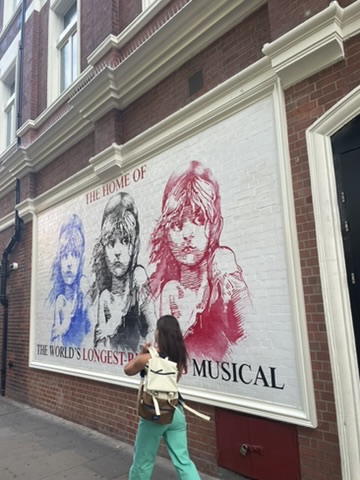
I think that the concept of economic and societal position as it relates to the agency of women is a very interesting concept, to the point that it is the topic of my group project. It was really cool to see how that theme was reflected in the experiences of some of the women in Les Mis.
First, I think there is a clear line drawn between women who have advantage (Cosette), and women who are disadvantaged (Fantine and Eponine). Although Cosette is Fantine’s daughter, Eponine shares more similarities with her (this is reflected in the music as well, which I think is really cool!). Firstly, they are of lower socioeconomic standing. Secondly, their relationships are both troubled. It is unclear if Fantine has any living family besides Cosette, but she has certainly been exploited by a lover. Eponine, while not maliciously exploited by Marius (although he does use her to send messages to Cosette), still experiences unrequited love, and is openly exploited by her parents. These unstable aspects of the women’s lives make them vulnerable and put them in situations in which they are unable to govern themselves. Ultimately, both need to turn to illegal means to get by. Faintine becomes a prostitute, and Eponine is roped into her parent’s illegal operations. This means that even the law cannot act as a protective force for these vulnerable women – the system is built to punish them for being in situations that they themselves did not freely choose.
I think that these women’s stories (and their tragic endings) represent a huge number of women (and men and children) who are essentially forced into unfavorable situations because of their vulnerability and inability to govern themselves. Slavery (sexual and otherwise), laws limiting education/economic freedom/freedom of speech, conflict, and many other factors can inhibit this agency. It is important to recognize the ways in which these factors lead to unfavorable situations in order to lessen the judgement some of these individuals might face and to create change that eases these pressures.
Prompt 4
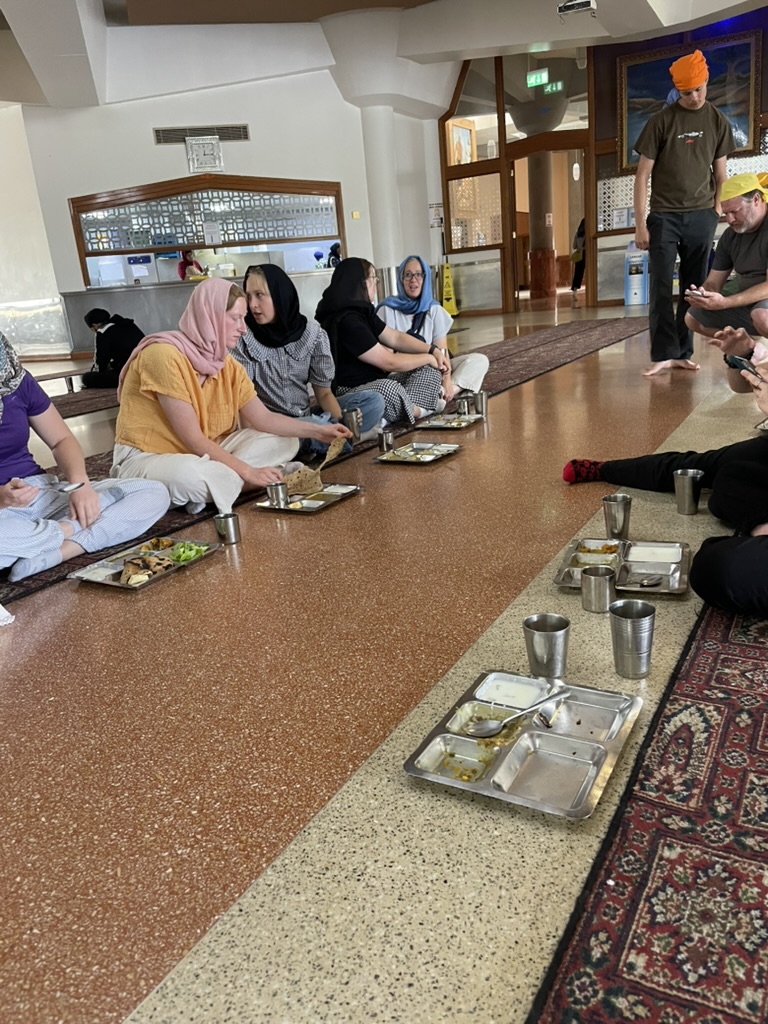
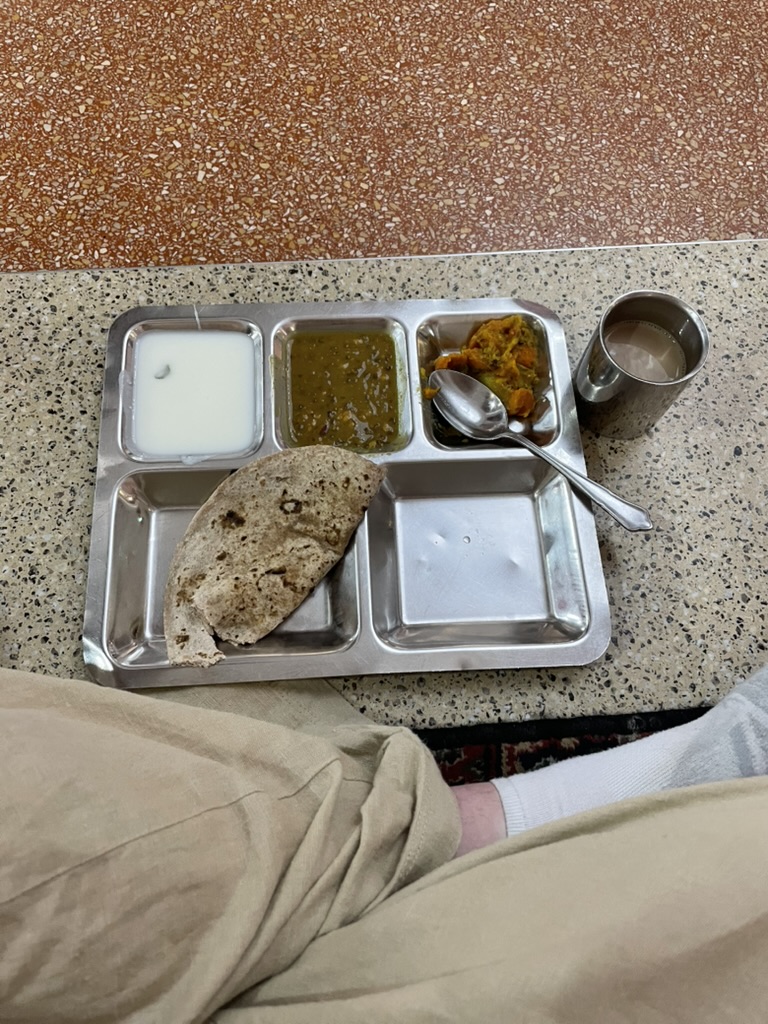
Even previous to this trip, I had a strong belief in the importance of religious freedom (due to both the 13 Articles of Faith and freedom of religion’s inclusion in the Constitution). However, I honestly didn’t have a very good understanding of the beliefs or tenets of both Islam and Sikhism until our visits to the Mosque and the Gurdwara. I was surprised by the degree of similarity between both of those religions and my own. It made me think about the sayings “hate is born of fear” and “we fear what is unknown” (I couldn’t find specific quotes). Although I did not personally feel this hatred or fear, both Muslims and Sikhs (and just about every other religion) have experienced some form of hate and persecution in history. I grew up learning about persecution the Saints faced in the early days of the church, while also witnessing multiple examples of Islamophobia as I was a teen. As I’ve thought about these experiences, I’ve wondered what would have happened if the perpetrators of these examples of violence had been curious and tried to learn about the religions, instead of automatically hating and persecuting them. In the context of human rights, I think this illustrates the importance of education and curiosity and ensuring everyone has the right to exercise their religion freely. While one might not agree with a religion they learn about, I believe finding similarities or even making another’s beliefs less of a mystery can contribute to a reduction in religion-based persecution and wider access to freedom of religion.
Blog 2
Last Week!
Prompt 2
I think that, in depicting human needs, art has many different roles. I think these roles have much to do with the one who is consuming the art. If the viewer resonates with the need, it can help them feel seen and connect people with similar feelings and experiences to them. If the viewer isn’t particularly invested in the need, it can bring awareness about that need to the viewer. It may even help them connect to it through the expression of some sort of shared emotion (anger, sadness, love, etc.).
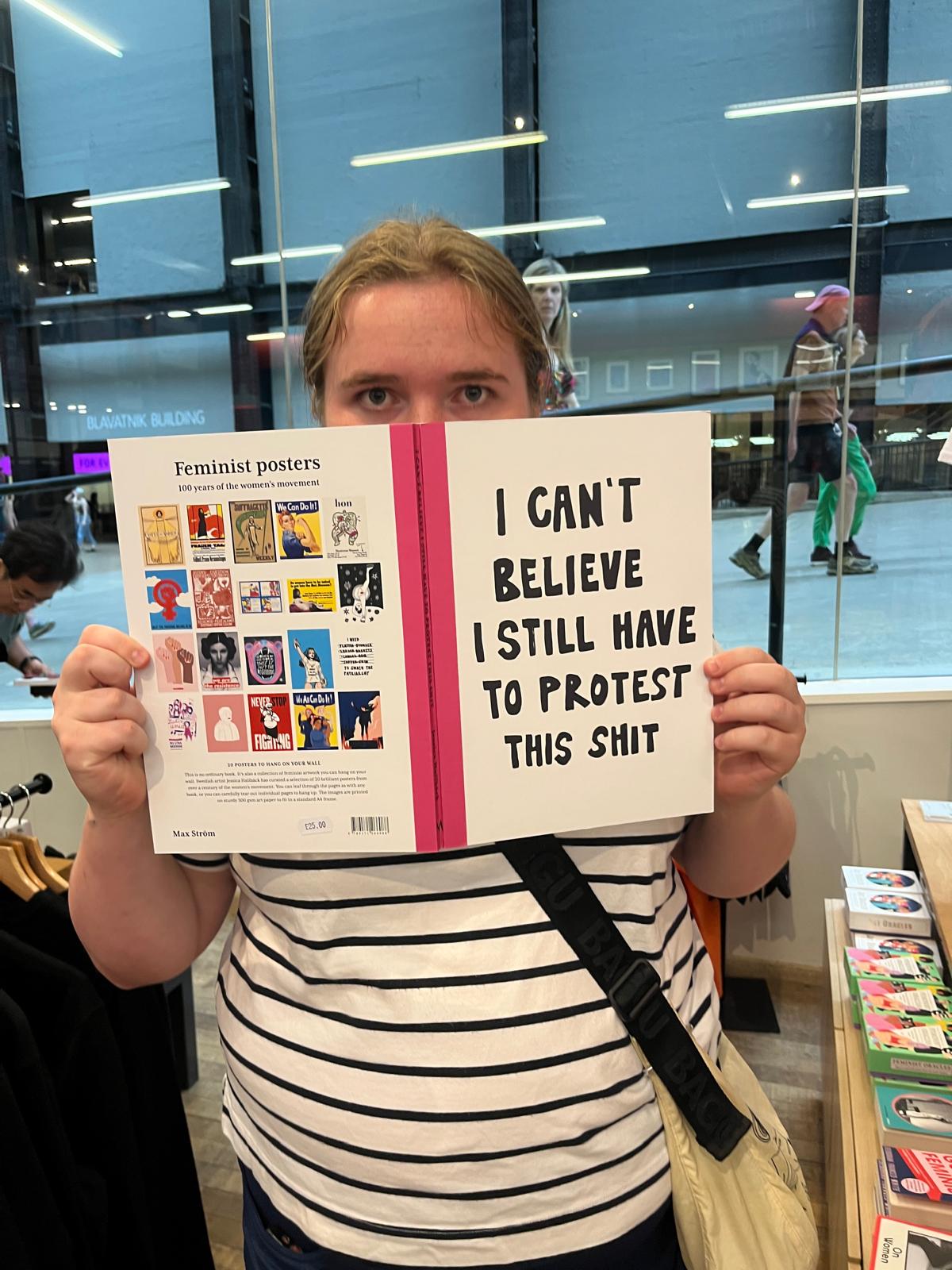
One song that does for me what Ofili tries to do with Requiem is the song “When I Was a Boy” by Dar Williams. In this song, To me, this song does a great job depicting the human need of being able to live or behave the way one wants without being restricted or judged because of gender roles. Basically, autonomy (gee, I wonder if this human right is particularly meaningful for me?).
Everytime I listen to this song, I almost cry, it resonates with me that much. Williams does an incredible job expressing the sorrow and frustration and longing that comes from being expected or allowed to act (or not act) a certain way based on gender, from both a female and male point of view. I know it resonates with other people as well – we had a lengthy discussion about it in my GWS 222 class last Fall. In the song, Williams highlights various experiences that are fairly common in which her behavior was gendered in some way, initially from a female perspective but eventually from a male one. The commonality of these experiences make it easy to connect to the song and the emotions it expresses – it makes me (and others) feel like our own stories are being expressed because of these shared experiences.
Prompt 4
As this program draws to a close and I consider how I’ll apply what I’ve learned to my future efforts regarding justice and human rights, I have three main take-aways.
First, that I come from a wildly privileged background. I’ve always been somewhat aware of my privilege, but this trip was the first time I put that privilege into perspective with the history of humanity. In the grand scheme of all lives that have ever been lived, mine is one of the absolutely most peaceful and healthy and privileged. Now that I have recognized this to a fuller extent, I feel that it is important for me to use the opportunities and tools available to me because of my privilege to help others who may not have those same tools and opportunities. For example, I am able to get a college education, and I want to use that education to participate in research that will improve the quality of life of people starting in childhood.
Second, as I learn with and get to know people different from me, it is important to both find ways in which we can connect, and explore our differences. I’ve found that, while similarities help create an initial relationship with someone, learning about and discussing the ways in which we are different really deepens that relationship. This will likely also contribute to a widening of my worldview and understanding of different perspectives or approaches to causes that I want to support.
Finally, it is important to be persistent in human rights work. It has been repeatedly made clear to me (through research for projects, others’ presentations, collaboration with peacebuilders, etc.) that change is not a fast process – it requires patience. However, complacency doesn’t get anyone anywhere. As I participate in human rights work, I need to remember that it may take years or decades for goals to be reached, but that doesn’t mean that my efforts aren’t worth it.